Understanding the Open Mouth Bag Filling Machine
In today's fast-paced manufacturing landscape, the efficiency and reliability of packaging equipment are paramount. The open mouth bag filling machine stands out as a crucial tool for businesses across various sectors, including agriculture, food processing, and chemical manufacturing. This innovative equipment is designed to streamline the bagging process, markedly reducing labor intensity while ensuring high precision in filling and sealing. When exploring options, open mouth bag filling machine solutions offer comprehensive insights into how modern technology can enhance productivity in your operations.
What is an Open Mouth Bag Filling Machine?
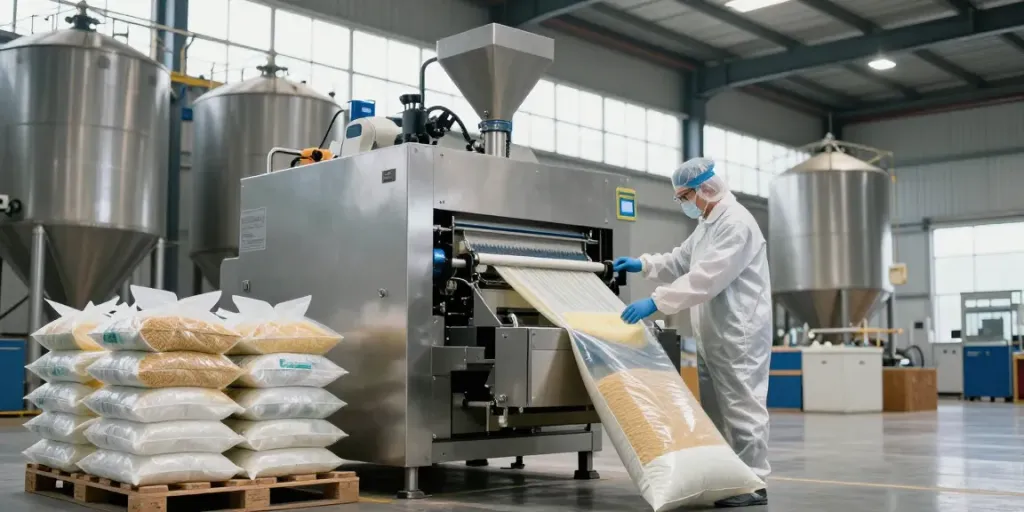
An open mouth bag filling machine is specifically engineered to fill pre-formed bags with bulk products ranging from powders to granules. Unlike traditional bagging methods, which may require manual input or cumbersome machinery, these machines facilitate a more efficient workflow. The open mouth design allows operators to easily position bags for filling, minimizing the risk of spills or errors. Typically, the operation involves placing a bag at the designated fill spout, where the machine dispenses the desired amount of product before sealing the bag for shipment or storage.
Key Features and Benefits of Modern Machines
- High Speed and Efficiency: Many open mouth bagging machines can fill several bags per minute, drastically reducing packaging time.
- Precision Filling: Advanced weighing technology ensures that each bag is filled with the exact quantity needed, reducing waste and improving inventory management.
- User-Friendly Interface: Modern machines often come equipped with touchscreen controls and programmable settings that make operation simple, even for untrained staff.
- Durability: Built with robust materials, these machines are designed to withstand the rigors of daily use, delivering consistent performance over time.
- Versatility: Suitable for various industries, from food products to chemicals, allowing for a wide range of applications.
Industries That Utilize Open Mouth Bag Fillers
Open mouth bag fillers have found a home in numerous industries due to their adaptability and efficiency. Key sectors include:
- Food Industry: From grains and flour to snacks and pet food, open mouth bagging machines ensure hygienic and precise filling.
- Agriculture: Fertilizers, seeds, and animal feed are commonly packaged using these machines, enhancing the speed and efficiency of agricultural supply chains.
- Chemicals: Many chemical manufacturers rely on open mouth bag fillers to package powders and granules safely and expediently, with strict adherence to safety standards.
Choosing the Right Open Mouth Bag Filling Machine
Factors to Consider When Selecting Equipment
When selecting an open mouth bag filling machine, several factors should be considered to ensure it meets your specific needs:
- Product Type: Assess the characteristics of the material to be bagged—powdery, granulate, or liquid—as this will influence the choice of equipment.
- Bag Size: Different machines accommodate different bag sizes, so ensure your selected machine can handle your required dimensions.
- Throughput Requirement: Consider the volume of bags that need to be filled in a given time to match your production rates.
- Automation Level: Determine whether you need a manual, semi-automatic, or fully automatic machine based on labor availability and budget.
- Maintenance and Support: Opt for manufacturers who provide robust after-sales support and guidance on machine maintenance, ensuring longevity and performance.
Comparing Manual vs. Automatic Open Mouth Bag Fillers
The choice between manual and automatic open mouth bag fillers depends largely on production volume, labor costs, and operational efficiency. Manual machines require human intervention to fill bags, which may raise the risk of inconsistencies and longer processing times. Conversely, automatic machines can streamline operations, improving speed and accuracy. However, they often come with a higher initial investment. Evaluating your production needs will help you make the right choice.
Cost Considerations and Budgeting Tips
When budgeting for an open mouth bag filling machine, consider the following:
- Initial Investment: While automatic machines may require a higher upfront cost, they can save money in labor and increase productivity over time.
- Operating Expenses: Regular maintenance, part replacements, and energy consumption should be factored into the overall cost analysis.
- Potential for ROI: Evaluate the ROI based on speed, labor reduction, and waste minimization to understand the long-term financial benefits.
Best Practices for Operating Open Mouth Bagging Equipment
Optimal Settings for Maximum Efficiency
To get the most out of your open mouth bag filling machine, consider the following settings:
- Calibration: Regularly calibrate the machine to maintain filling accuracy and prevent product wastage.
- Speed Settings: Adjust the speed based on the type of product being bagged; delicate products may require slower rates to avoid damage.
- Bag Positioning: Ensure bags are correctly positioned in the filling spout to avoid spills and misalignment.
Routine Maintenance for Longevity
Regular maintenance is crucial for ensuring the longevity and reliability of open mouth bagging machines. Key practices include:
- Cleaning: Keep the machine clean to prevent contamination and ensure accurate filling.
- Inspection: Perform routine inspections for wear and tear on important components, such as the fill spouts and sealing mechanisms.
- Lubrication: Regularly lubricate moving parts to reduce wear and maintain smooth operation.
Common Challenges and How to Overcome Them
While operating an open mouth bagging machine, several challenges may arise:
- Inconsistent Fill Levels: Ensure regular calibration and check the machine for blockages or malfunctions.
- Bag Misalignment: Adjust the bag positioning mechanism and educate staff on correct bag placement.
- Clogging: For powdery products, consider using anti-clogging features or attachments to maintain a smooth flow.
Real-World Applications and Case Studies
Success Stories in the Food Industry
Companies in the food industry have successfully adopted open mouth bag filling machines to enhance production efficiency. For instance, a major grain producer implemented an automatic bagging system that tripled its throughput while maintaining a high level of quality control.
Agricultural Applications of Bag Filling Machines
Farmers and agricultural suppliers have leveraged these machines to package seeds and fertilizers rapidly. One agricultural supplier reported a 50% decrease in packaging time by switching to open mouth bagging technology.
Innovations in Chemical Packaging
The chemical industry continues to embrace open mouth bagging machines to improve safety and compliance. A leading chemical manufacturer integrated advanced sensors into their bagging system to monitor fill accuracy and prevent overfilling, resulting in significant cost savings and improved safety standards.
Future Trends in Open Mouth Bag Filling Technology for 2026
Emerging Technologies to Look Out For
The landscape of open mouth bagging technology is set to evolve with advancements in automation, robotics, and IoT integration. Expect machines that can connect to networked systems, providing real-time data on production efficiency and machine health.
Sustainability Initiatives in Packaging Machinery
As sustainability becomes increasingly important, manufacturers are focusing on reducing waste in the packaging process. Innovations that facilitate the use of biodegradable materials and energy-efficient operations are likely to dominate the market by 2026.
Impact of Automation on the Industry
The ongoing trend toward automation is likely to reshape the open mouth bagging industry, enhancing speed and effectiveness while reducing reliance on manual labor. This shift will not only improve production rates but also allow companies to allocate human resources to more strategic roles.