Understanding Mini Split AC Units
As homeowners increasingly seek efficient and versatile solutions for temperature control, mini split ac unit have emerged as a popular choice. Unlike traditional window units or central air conditioning systems, mini splits provide a multitude of advantages, including enhanced energy efficiency, aesthetic appeal, and zoning capabilities. This article explores the ins and outs of mini split air conditioning systems, detailing their functionality, benefits, and installation considerations.
What is a Mini Split AC Unit?
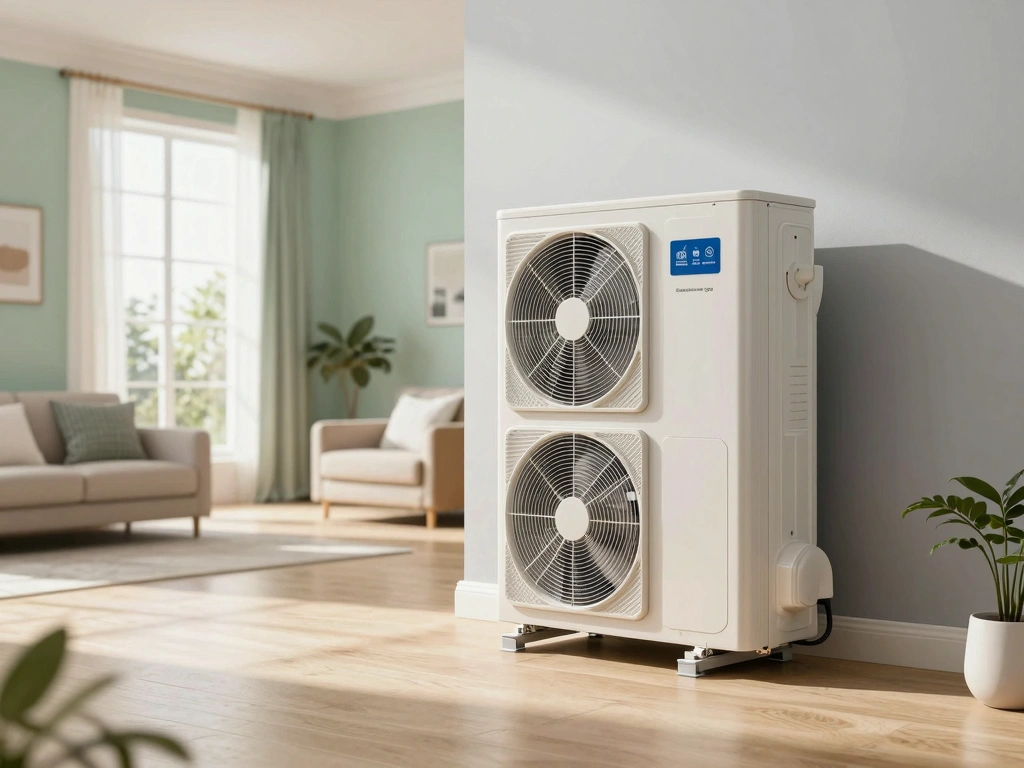
A mini split AC unit, often referred to as a ductless system, consists of two primary components: an indoor unit and an outdoor condenser. The indoor unit mounts on a wall or ceiling, while the outdoor condenser is placed outside the home. These systems do not require ductwork, making them an attractive option for new constructions and retrofits alike. By utilizing refrigerant lines and power cables to connect the units, mini splits can efficiently heat and cool specific zones within a home.
Benefits of Mini Split AC Units for Homeowners
- Energy Efficiency: Mini splits typically have higher SEER (Seasonal Energy Efficiency Ratio) ratings compared to traditional systems, leading to significant savings on energy bills.
- Zone Control: Homeowners can customize the temperature in different rooms, ensuring comfort where it is needed most.
- Quiet Operation: Most mini split systems operate quietly, making them ideal for bedrooms and living spaces.
- Easier Installation: Without the need for extensive ductwork, installation can be quicker and less intrusive.
- Heating and Cooling: Many mini split systems offer both heating and cooling functionalities, providing year-round comfort.
How Mini Split Systems Work for Efficient Cooling
Mini split systems operate using a straightforward refrigeration cycle. When cooling is needed, the indoor unit evaporates refrigerant, absorbing heat from the interior space. The compressor, located in the outdoor unit, then circulates the refrigerant through the coil, where it releases heat to the outside air. This process effectively chills the indoor air, maintaining a comfortable environment while minimizing energy consumption. Additionally, many modern units feature inverter technology, which adjusts the compressor speed according to the cooling demand, further enhancing efficiency.
Choosing the Right Size for Your Space
Getting the correct size mini split AC unit for your space is crucial for ensuring optimal performance and energy efficiency. An undersized unit will struggle to cool the area effectively, while an oversized unit may cycle on and off too frequently, leading to higher energy costs and uneven temperatures.
Calculating BTU Requirements for Different Room Sizes
To determine the appropriate capacity for a mini split unit, you need to calculate the BTUs (British Thermal Units) required for the specific area. A general rule of thumb is to allow 20 BTUs per square foot of living space. However, factors such as ceiling height, insulation quality, and local climate can affect these calculations. For instance, a 500 square foot room would typically require around 10,000 BTUs, but adjustments should be made based on these variables.
Common Mistakes in Sizing Mini Split Units
Many homeowners make the mistake of guessing the appropriate size for their mini split systems, leading to inefficiencies and discomfort. Common pitfalls include:
- Overlooking insulation quality, which can significantly affect cooling needs.
- Failing to account for sunlight exposure, as sunlit rooms may require more cooling power.
- Ignoring the impact of room usage; kitchens or high-occupancy areas may need more cooling capacity.
Real-World Examples of Successful Installations
Consider a multi-level home with separate zones for each floor. By installing a mini split system in each zone, homeowners can maintain different temperatures based on usage and preference. For instance, a family might keep the living area cooler during the day while allowing bedrooms to be warmer for comfort at night. Successful installations can showcase significant savings on energy bills, as well as enhanced comfort throughout the home.
Installation Considerations for Mini Split AC Units
When planning for the installation of a mini split AC unit, several factors must be considered to ensure a smooth and effective setup. This involves assessing the specific needs of the home and determining whether to opt for professional installation or a DIY approach.
Professional vs. DIY Installation: Pros and Cons
- Professional Installation: Guarantees proper setup and compliance with local regulations, ensuring optimal performance.
- DIY Installation: Cost-effective option, but requires a good understanding of HVAC systems and the necessary tools.
While DIY installation can save money, hiring a professional can provide peace of mind and prevent costly mistakes.
Essential Tools and Equipment for Installation
If choosing the DIY route, having the right tools is essential. Required tools typically include:
- Drill and drill bits for mounting the indoor unit
- Refrigerant gauge set for checking refrigerant levels
- Pipe wrenches and other plumbing tools
- Level to ensure proper alignment
Permits and Regulations to Keep in Mind
Local building codes often require permits for HVAC installations. Before beginning your installation, check with local authorities to ensure compliance with regulations, including safety codes and energy efficiency standards.
Energy Efficiency and Cost Savings
Mini split AC units are known for their energy efficiency, but understanding their operational costs and savings can help homeowners make informed decisions.
Understanding SEER Ratings and What They Mean
The SEER rating measures the efficiency of an air conditioning unit over an entire cooling season. A higher SEER rating indicates a more efficient unit, meaning lower energy consumption and costs. For 2026, the minimum SEER rating for newly manufactured systems is expected to rise, making it crucial to choose a model that not only meets current standards but also anticipates future efficiency requirements.
Comparing Operating Costs: Mini Split vs. Traditional Units
Compared to traditional central AC systems, mini splits can reduce energy consumption by up to 30% or more. For example, a 3-ton central system may consume around 5,000 kWh annually, while a similar-capacity mini split system may only use about 3,500 kWh, depending on usage patterns and specific models. This difference translates to real savings on monthly utility bills, particularly in larger homes.
Tips for Maximizing Energy Efficiency
- Regular Maintenance: Keep filters clean and schedule annual professional inspections.
- Use Programmable Timers: Set the system to operate only when needed, reducing wasted energy.
- Seal Leaks: Ensure ductless lines are properly sealed to prevent energy loss.
Future Trends in Cooling Technology
As technology advances, mini split systems are becoming increasingly sophisticated and integrated into smart home environments. Understanding these trends will help homeowners make informed choices.
Innovative Features in 2026 Mini Split Models
Upcoming models are expected to feature integrated smart technology, allowing homeowners to control their mini split systems via smartphone applications. This connectivity makes it easier to monitor energy usage, customize settings, and receive maintenance reminders.
Predictions for Smart Home Integration
Future mini split units will likely become part of comprehensive smart home ecosystems. Integration with home automation systems can help optimize comfort and energy savings. For instance, smart thermostats can adjust mini split settings based on the homeowner’s schedule and preferences, leading to enhanced energy efficiency.
Preparing Your Home for Evolving Cooling Technologies
To future-proof your home for evolving cooling technologies, consider wiring upgrades, installing a strong Wi-Fi network, and ensuring the home is well-insulated. These changes can enhance the effectiveness of mini split systems and other HVAC upgrades.
What Are the Disadvantages of Mini Split Units?
Despite their numerous advantages, mini split units come with some drawbacks, including:
- Higher initial investment compared to traditional window units.
- Potential noise from indoor and outdoor units, although many modern systems are designed to minimize this.
- Installation complexity, especially in multi-zone setups, which can lead to increased labor costs.
How Does a Mini Split Compare to Central AC?
When comparing mini splits to central AC systems, the latter often requires ductwork, making them less versatile for retrofitting older homes. However, central systems can serve larger areas more effectively if properly designed. Ultimately, the choice between the two depends on the specific cooling needs, budget, and architecture of the home.
Are Mini Split AC Units Worth the Investment?
For many homeowners, the benefits of mini split systems—energy savings, enhanced comfort, and zoning flexibility—make them a worthwhile investment. Analyzing long-term operational costs, comfort preferences, and local climate will help determine if a mini split AC unit is the right choice for your home.