
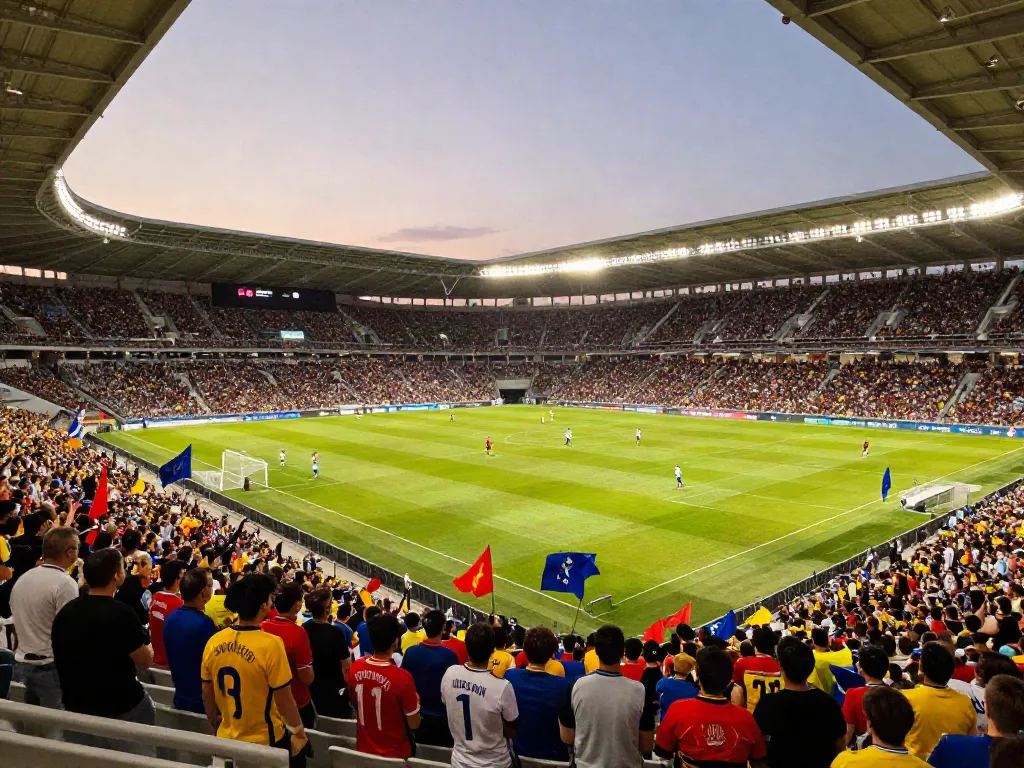
Understanding the Significance of TOP10สนาม in Football
Football stadiums are more than just venues for matches; they represent the heart and soul of the sporting experience. As we approach 2026, the evolution of football stadiums, especially those ranking within the TOP10สนาม, reflects the changing dynamics of the sport and its culture. The best stadiums combine innovative design, technological advancements, and a deep-rooted connection to their communities, making them integral to the sport's identity.
What Makes a Stadium Top-Tier?
A top-tier stadium is defined by a combination of factors that elevate it above the rest. These include seating capacity, architectural beauty, and the quality of facilities. Furthermore, the atmosphere during match days significantly contributes to a stadium’s status. Venues that host significant matches or events, such as the FIFA World Cup or continental championships, often find themselves at the top of the list.
- Seating Capacity: Larger stadiums can accommodate more fans, creating an electrifying atmosphere.
- Architectural Design: Modern, aesthetically pleasing designs attract visitors and enhance the experience.
- Advanced Facilities: Amenities such as hospitality suites, fan zones, and accessibility features play a crucial role.
Features of the Best Football Venues
Some of the defining features of the best football stadiums include:
- State-of-the-art technology: High-quality sound systems, large screens, and Wi-Fi ensure fans stay connected and engaged.
- Sustainability: Eco-friendly practices such as rainwater harvesting and solar panels are increasingly important.
- Safety measures: Enhanced security protocols and emergency response systems make for a secure environment.
Historical Impact of Stadiums on Football Culture
Stadiums are often historical landmarks that embody the legacy of football. Venues like Wembley in England or Camp Nou in Spain not only host games but also serve as symbols of national pride and local culture. These historic stadiums have witnessed countless unforgettable moments, shaping the narratives of clubs and fan bases alike.
Analysis of Fan Experience in TOP10สนาม
The fan experience is critical to the success of any football stadium. The best venues prioritize creating an engaging environment that resonates with spectators. This not only ensures a memorable visit but also fosters loyalty among fans.
What Fans Seek in a Football Stadium
Fans often seek a combination of comfort, excitement, and accessibility when attending matches. Factors such as seat visibility, legroom, and proximity to the pitch enhance the viewing experience.
Creating an Engaging Atmosphere for Spectators
Atmosphere can be the decisive factor between a good and a great match day experience. Top stadiums consistently create an environment that energizes fans, often through:
- Cheering sections: Designated areas can amplify noise and support for the home team.
- Fan engagement activities: Pre-match entertainment or interactive features keep fans excited from the moment they arrive.
Importance of Facilities and Amenities
Facilities like food and beverage options, clean restrooms, and merchandise shops contribute significantly to the overall experience. Modern stadiums are now incorporating a variety of dining options that cater to diverse tastes, enhancing the match day experience.
Economic Benefits of TOP10สนาม
Stadiums also serve as economic engines for local communities. Their impact transcends the realm of football, influencing local businesses and economies significantly.
Revenue Generation through Match Days
Revenue from match days comes not only from ticket sales but also from merchandise, food and beverage sales, and parking fees. A well-attended match can generate substantial revenue, benefiting not just the home team but the entire local economy.
Impact on Local Businesses and Economy
The presence of a top-tier stadium positively impacts local businesses, from hotels to restaurants. Increased foot traffic during match days stimulates the economy, often leading to job creation and improved local services.
Long-term Financial Investments and Returns
Investing in stadium infrastructure can yield long-term financial benefits. Updated facilities can attract major events, ensuring a consistent revenue stream and providing communities with enhanced recreational options.
Future Trends in Football Stadium Designs
As we move toward 2026, the design of football stadiums is set to evolve significantly, driven by innovations and emerging trends in architecture and technology.
Innovative Architectural Designs for 2026
Architects are increasingly exploring designs that are not only functional but also visually stunning. Expect to see more stadiums that integrate seamlessly within their environments, utilizing local materials and reflecting cultural elements.
Technology Integration for Enhanced Experiences
Innovative technology is set to enhance fan experience with features such as augmented reality apps, mobile ticketing, and enhanced video displays that provide real-time statistics and replays directly to fans.
Sustainability Practices in Modern Stadiums
Modern stadiums are now incorporating sustainable practices, focusing on energy-efficient systems, waste reduction strategies, and facilities that are accessible to all, catering to a more environmentally conscious audience.
FAQs about TOP10สนาม
What are the criteria for ranking stadiums?
Criteria typically include capacity, facilities, historical significance, and fan experience ratings.
Which stadiums are currently in the TOP10 list?
The current rankings change frequently but often include renowned venues like Wembley and Camp Nou.
How does stadium design affect the game experience?
Good design maximizes visibility and atmosphere, significantly enhancing the overall spectator experience.
What innovations are expected in stadiums by 2026?
We can expect advancements in technology integration, sustainable practices, and innovative designs that cater to fan engagement.
How do stadiums impact local communities?
Stadiums serve as economic engines, stimulating local businesses and providing entertainment and recreational opportunities to the community.